Onix Mag
Gegants of Raval, Eixample and Sants: giants with history
Sin categorizar
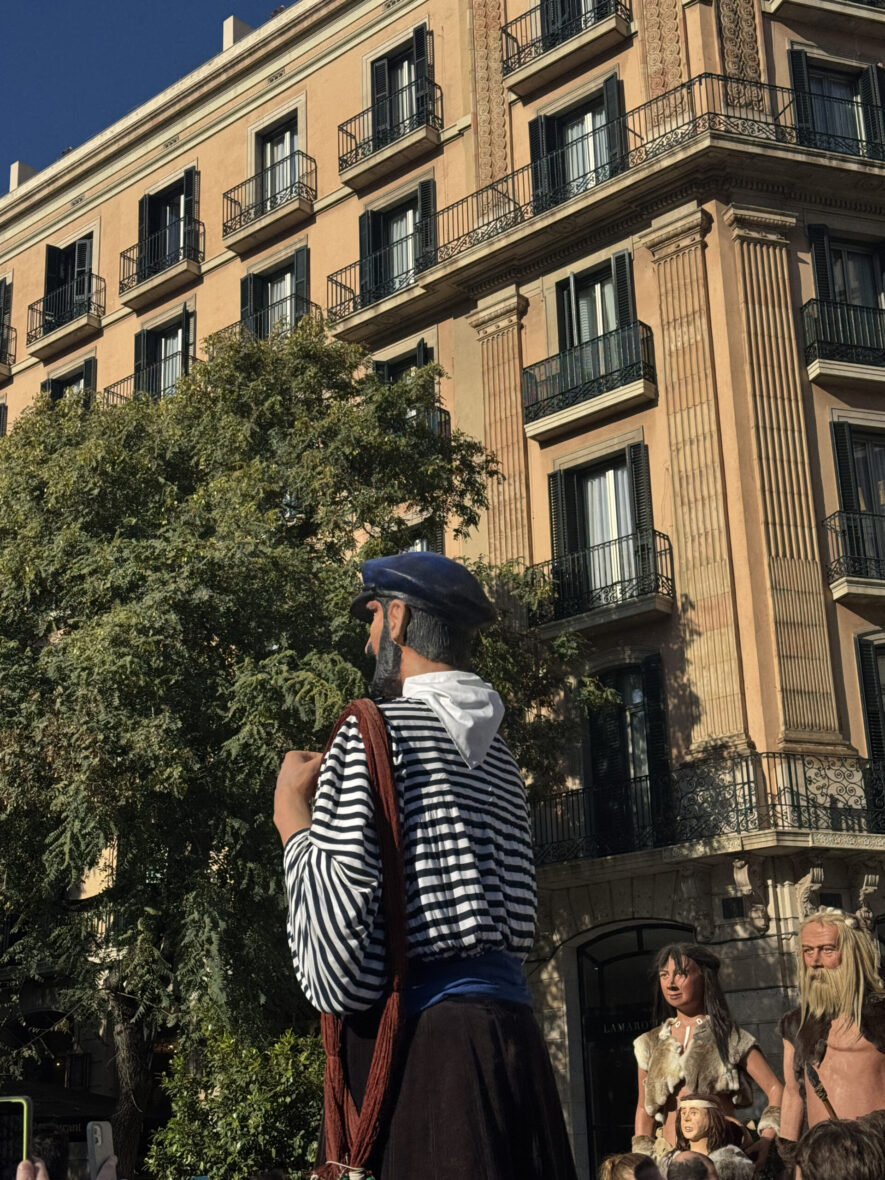
The Gegants are much more than figures parading through the streets: they’re a living part of the history and identity of Barcelona’s neighbourhoods. For centuries, these giants have accompanied local festivals, led parades and filled squares and streets with colour and tradition.
If you’re staying at Onix Hotels, in the heart of Raval, Eixample or Sants, you’re very close to some of the city’s most beloved gegant groups. Today we invite you to discover the Gegants that bring neighbourhoods to life, tell stories and keep on dancing generation after generation.
Ramón and Lola were created in 1985 by Raval locals to revive a tradition that had been forgotten after the dictatorship. They represent neighbourhood trades: she’s a butcher; he’s a grocer. Years later, Quimeta, a smaller geganta, joined them to complete this gegant family.
Today they’re an essential part of Raval’s celebrations, like the Festa Major or La Mercè, and a symbol of the neighbourhood’s popular identity.
These giants were created in 1985 as a tribute to Sants’ working-class history. Xava represents a worker who came from elsewhere; Xinxa recalls the effort and industrial life of the neighbourhood. Since then, they parade in the Festa Major de Sants and at gegant gatherings across Catalonia, showing the pride of a neighbourhood that doesn’t forget its roots.
Although Eixample doesn’t have a pair of gegants as iconic as Raval or Sants, it does take an active part in the tradition with groups linked to the Festa Major of Sagrada Familia and Eixample Esquerra. The gegants parade alongside other festive figures, joining in local celebrations and filling the streets with music and dancing.
Although they’re not from these neighbourhoods, the Gegants of El Pi are so iconic they’re worth a mention. Originating in the 17th century, Mustafà and Elisenda represent a Muslim knight and a Christian lady, symbolising the city’s history. They parade in the city centre during major festivities.
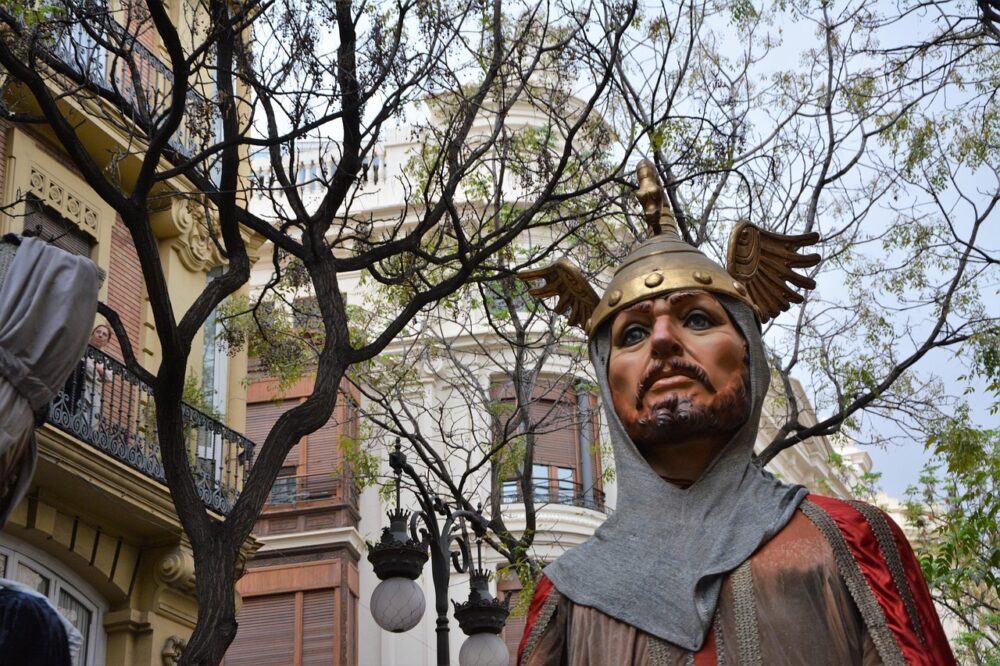
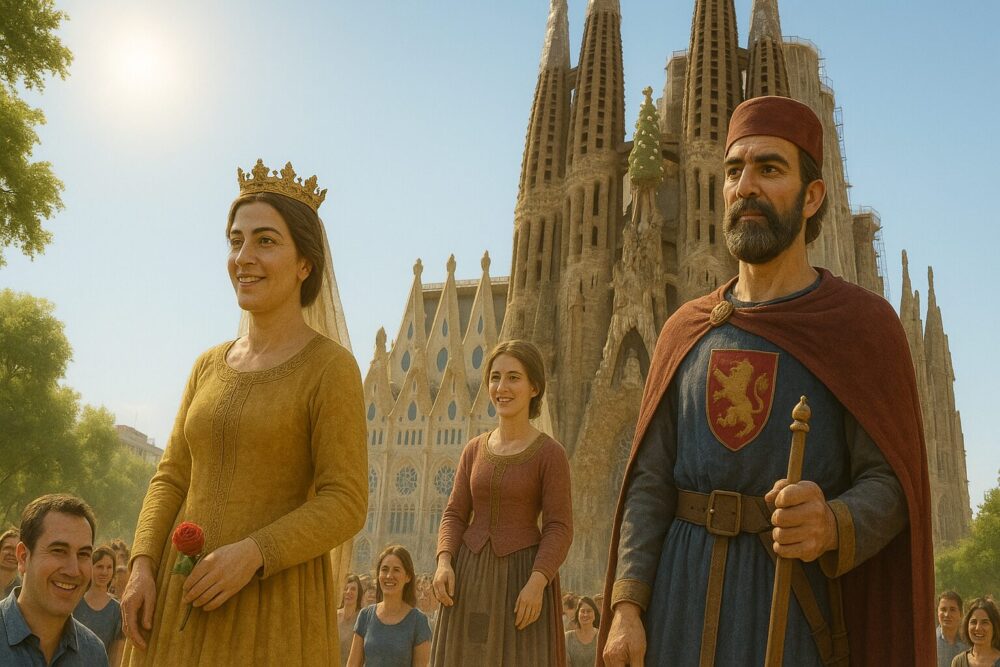
The official gegants of Barcelona, who take part in major festivals like La Mercè or Santa Eulàlia. They represent King Jaume I and Queen Violant and are part of the city’s festive protocol.
The gegants come out during the main neighbourhood and city festivals:
A tradition that’s still alive.
Watching the gegants dance is to experience the real Barcelona. They’re more than just figures: they’re the memory, joy and spirit of the neighbourhoods. If you want to know when and where to find them during your stay, ask us at reception: at Onix Hotels we’ll be happy to help you discover the city like a local.